
My project, Day & Night has suddenly been receiving a lot of attention. It's a little weird for a project I shot most of four years ago, but I'm not complaining. It started when the site, Lens Culture featured my project, American Flea, in the spotlight position on their home page. This drove people to my profile page where they found several of my projects, including Day & Night. Within days, excerpts from Day & Night appeared in dozens of widely viewed web sites and blogs like Beautiful Decay, Dark Silence in Suburbia, Design Taxi, and sites around the world in countries like France, Portugal, Greece, England, Spain, Russia, and South Africa.
After Huffington Post did a story on it last week, I got an urgent email from one of the people in the photographs. This person told me that they had radically changed their life since I had shot their portrait, they had found Jesus, and they were terrified that if the wrong eyes saw the picture they would lose their job and it would ruin their life. They asked if I could please get their portrait taken off the Huff Post site.
What was I to do? Whenever I shoot people for Day & Night, they must sign a model release before I take out the camera. Besides signing the release, I emphasize that my intention is for mainstream publication, not some shady little web site that hardly anyone will see. I could not have been clearer. I wanted everyone who participated to be completely comfortable with the process and results. They were, after all, opening up the most intimate details of their lives to me and to public scrutiny. And I'm grateful to them for the trust they show me. I want the pictures to be honest and direct, but respectful. I believe they are.
So- I have every right, legal and otherwise, to include this person's picture when the project is reproduced.
But. . .
What is my human responsibility? How can I, in good conscience allow the possibility of my photograph having a major negative impact on someone's life? How can I say, I'm sorry, but you're not allowed to change your mind, especially if it inconveniences me? And, would Huffington Post even care if I asked them to remove the picture in question?
As it turns out, Huff Post was willing to remove the picture. (Thank you, Katherine Brooks.) And I removed the picture from the Day & Night section of my Lens Culture profile that Huff Post linked to. I told the concerned individual that I would not include their picture in submissions to any mainstream web sites or publications based in the US in the future. I would not include their picture in any exhibitions in their home city. I also made it clear that the picture is already available in many many web sites and blogs around the world and I have no control over who sees them or re-blogs them. This person needs to be prepared and there's really nothing I can do about it at this point.
I suppose this is a bit of a compromise. I haven't promised to do everything in my power to remove all traces of this person's photograph from Day & Night and its circulation. But I'll try to keep it out of places where it could conceivably do damage. And I'll sleep well tonight.
Thoughts?
Showing posts with label Forest McMullin. Show all posts
Showing posts with label Forest McMullin. Show all posts
Monday, August 25, 2014


Sunday, May 18, 2014
Mena Ethopian Restaurant
I visited Mena, 3680 Clairmont Rd. near Buford Highway, on the spur of the moment. I had been shooting in a Cuban place and someone mentioned that there was an Ethiopian restaurant across the street. I went over to check it out and it took a little time to realize it was in the back of the Bethlehem Food Store through an unmarked door on the side. Not a terribly auspicious start, but once inside I was greeted with wonderful smells. There's a large dining room with a full bar in the center and the walls are a riot of bright colors.
There's a dimly lit back room with a hookah bar.
And off to one side, a woman was crouched on the floor roasting coffee beans.
This, I learned, is a traditional Ethiopian ceremony and ritual. I sat and asked my waitress what she recommended. She liked the gored gored, she told me, so that's what I had. I was a little surprised when she brought a plate of cubed and spiced raw beef.
After getting over my initial hesitance, I was delighted. It was very tender and delicate. I used the slightly sour injera bread as a scoop and dipped it in mitmita and other spices. I later learned it is very popular in both Ethiopia and Eritrea and is considered a national dish. I finished it completely satisfied. I plan to return and try other (cooked!) dishes, but I'm not sorry I tried the gored gored.
 | ||
| Fuji X-E1, 18-55mm lens, ISO 1600, 1/45 @ f/3.2 |
 |
| Fuji X-E1, 18-55mm lens, ISO 3200, 1/2 @ f/3.2 |
 | ||
| Munu Wasse roasting coffee, Fuji X-E1, 18-55mm lens, ISO 2000, 1/17 | @ f/2.8 |
 |
| Fuji X-E1, 18-55mm, ISO 200, 1/30 @ f/6.4 |
 |
| Miheret Bekele, Fuji X-E1, 18-55mm, ISO 1600, 1/25 @ f/3.2 |
Tuesday, January 21, 2014
Number 17 from Out on Buford Highway
I met Dener Zacarias when I was photographing in a Peruvian restaurant. He was curious about what I was doing and we talked for a few minutes. He told me about the store he owns and he invited me to come visit.
La Bendicion Market is on the second level of a plaza at 5090 Buford Highway next door to El Taco Veloz. When you walk in you're immediately hit with an explosion of color. Brilliant oranges and greens are everywhere, on the walls, on the merchandise racks. There's tons of stuff that caters to Guatemalans- fresh and packaged foods, phone cards, clothing, even toys for kids. Dener is warm and friendly and very proud of his store and how he's managed to make it grow. Not long ago he added freshly prepared food to the mix. Magy Gomez works in the kitchen and when I was there, Dener fed me a dish that was kind of a Guatemalan beef stew. I don't remember what it was called (sorry Dener), but it was delicious! Rich with meat and potatoes and a savory sauce based in tomatoes and herbs.
Thank you Dener for welcoming me into your fine establishment! And to those of you reading this, take the time to stop in and try the food.
La Bendicion Market is on the second level of a plaza at 5090 Buford Highway next door to El Taco Veloz. When you walk in you're immediately hit with an explosion of color. Brilliant oranges and greens are everywhere, on the walls, on the merchandise racks. There's tons of stuff that caters to Guatemalans- fresh and packaged foods, phone cards, clothing, even toys for kids. Dener is warm and friendly and very proud of his store and how he's managed to make it grow. Not long ago he added freshly prepared food to the mix. Magy Gomez works in the kitchen and when I was there, Dener fed me a dish that was kind of a Guatemalan beef stew. I don't remember what it was called (sorry Dener), but it was delicious! Rich with meat and potatoes and a savory sauce based in tomatoes and herbs.
Thank you Dener for welcoming me into your fine establishment! And to those of you reading this, take the time to stop in and try the food.
 |
| Dener Zacarias, Fuji X-E1, 18-55mm, ISO 1600, 1/180 @ f/4 |
 |
| Fuji X-E1, 18-55mm, ISO 1600, 1/160 @ f/4 |
 |
| Pentax K-3, 16-50mm, ISO 1600, 1/250 @ f/3.2 |
 |
| Magy Gomez, Fuji X-E1, 18-55mm, ISO 1600, 1/320 @ f/4 |
 |
| Dener Zacarias, Pentax K-3, 16-50mm, ISO 1600, 1/200 @ f/3.2 |
 |
| unidentified boy, Pentax K-3, 16-50mm, ISO 1600, 1/160 @ f/3.2 |
Monday, January 20, 2014
New Line of Manfrotto Bags- Part 1
For the last few months I've had the opportunity to use and test a number of the new bags in the Manfrotto Professional Collection. I've been a very happy user of Kata bags for many years now and I was a bit skeptical about finding anything that made me want to switch. After using these new bags for a while, I can honestly say that, although they may not make me get rid of all my Kata bags, they are a worthy addition to my inventory.
Finding the right bag is a pretty personal choice. You need to find a balance between what is the perfect size for what you need to carry, what has the features you need, and what feels the best on your back or shoulder. I'm happy to report that these new bags come through on all these accounts.
First the backpacks.
These packs look a little different than a lot of similar packs- they have a more geometric outline. This is because the outer skin is reinforced with a semi-rigid material. It's not a hard bag like a Pelican, but it offers a ton of protection against the impact of any hard or sharp object.
In most ways, they're what one expects from a quality bag. They have well padded shoulder straps and backs and multiple padded inserts that attach with Velcro.
These packs are comfortable and have plenty of zippered compartments, inside and out. On a non-shooting trip recently, I pulled all the inserts out and found it to be an efficient briefcase/backpack. It held my 15 inch Macbook Pro in the slot in back easily.
Where these packs really excel for me is in a few details. First, they have quick release straps that serve as a back-up to the zippers. For those of us who routinely over stuff our packs this is a well considered and necessary feature to ensure the bag stays closed in case of a blown zipper.
Secondly, it has the tripod pocket built in. This may seem minor, but if you're like me, you don't carry a tripod all the time and when you do you have to find the pocket (sometimes a pain) and then put it on the pack to use it. Having it integral to the pack is a very nice touch. By the way, notice the little plastic feet on the bottom. These make the bag sit upright and not fall over.
The last detail I want to tell you about is so small you might miss it. Waist straps have to be long enough to accommodate a wide range of body types. Some people (me for instance) almost never use them at all except when carrying a large, heavy load. When you're not using them or if you're relatively slender, these straps are long and hang down, way down. Manfrotto has had the good judgement to include little Velcro straps that allow you to roll them up and keep them out of the way. I really like this.
These new packs come in three sizes- the 20, the 30, and the 50. I'll probably use the 20 most often since I've lately been shooting a lot with the Fuji X system. These cameras are smaller and lighter than my Nikons and the body, several lenses, and various accessories is held easily with the bag. The largest one, the 50 is big enough for me to use when I'm doing "Studio in a Backpack" shoots. The 50 is a bit smaller than the Kata backpacks I used to use for these shoots, but between smaller cameras and the smaller and lighter Elinchrom Quadra Hybrid strobes, the 50 is just fine. Its large, padded waist belt is very sturdy and helps enormously when I have to carry this heavy load.
My final verdict? If the size of one of these three backpacks is right for you, I really don't think there's any downside. They're well-built, have great features, and are priced right- not cheap, but competively. Now, they don't have twenty different sizes like some other brands, but if the size works for you, you should definitely take a look.
Finding the right bag is a pretty personal choice. You need to find a balance between what is the perfect size for what you need to carry, what has the features you need, and what feels the best on your back or shoulder. I'm happy to report that these new bags come through on all these accounts.
First the backpacks.
 | ||||||
| Manfrotto Professional Backpack 20 |
In most ways, they're what one expects from a quality bag. They have well padded shoulder straps and backs and multiple padded inserts that attach with Velcro.
 |
| Manfrotto Professional Backpack 20 |
 |
| Manfrotto Professional Backpack 20 |
 |
| Manfrotto Professional Backpack 20 |
 |
| Manfrotto Professional Backpack 20 |
 |
| Manfrotto Professional Backpack 20 |
 |
| Manfrotto Professional Backpack 20 |
 |
| Manfrotto Professional Backpack 20 |
My final verdict? If the size of one of these three backpacks is right for you, I really don't think there's any downside. They're well-built, have great features, and are priced right- not cheap, but competively. Now, they don't have twenty different sizes like some other brands, but if the size works for you, you should definitely take a look.
Tuesday, December 3, 2013
Number 14 from Out on Buford Highway
Lee's Bakery is at 4005 Buford Highway. It's one of the most popular banh mi and pho places on Buford Highway and that reputation is mostly deserved. It can be tough to find a table during lunch hours, so consider take-out if that's the only time you can get there. The food is very good, but I like some of the places that are a little further off the beaten track. Maybe I'll write about those in the future.
 |
| Fuji X-E1, 18-55mm lens, ISO 200, 1/400 @ f/5.6 |
 |
| Fuji X-E1, 18-55mm lens, ISO 200, 1/60 @ f/5.6 |
Sunday, November 24, 2013
Number 13 from Out on Buford Highway
Cho Sun OK Korean Restaurant is at 5865 Buford Highway. I ate there with a group early on a Saturday afternoon last February. I'm not terribly familiar with Korean food, so I just sat back and tried a little of everything. The myriad of kimchi was a revelation to me. I've never been fond of things pickled, but the flavors, textures, and spiciness of what was served was astonishing. The dumplings and fish egg soup were most excellent. And the staff was warm and helpful. I'm told the restaurant has changed hands since I was there, so I hope the quality has been maintained.
 |
| Dumplings surrounded by kimchi, Pentax K-5IIs, 16-50mm lens, ISO 1600, 1/60 @ f/2.8 |
 |
| Fish egg soup, Pentax K-5IIs, 16-50mm lens, ISO 1600, 1/50 @ f/2.8 |
 |
| Barbeque, Pentax K-5IIs, 16-50mm lens, ISO 3200, 1/60 @ f/2.8 |
 |
| Owner Hu Bok Chong, Nikon D600, 20-35mm lens, ISO 1600, 1/40 @ f/2.8 |
 |
| Waitress Jeong So (Miss Park), Pentax K-5IIs, 16-50mm lens, ISO 1600, 1/50 @ f/2.8 |
 |
| Waitress Kyung Sook Han, Nikon D600, 20-35mm lens, ISO 1600, 1/100 @ f/2.8 |
Tuesday, November 12, 2013
Number 11 from Out on Buford Highway
Taqueria El Ray Del Taco, 5288 Buford Highway, is a fun Mexican joint. The outside is covered with colorful designs and the inside is a garish explosion of greens and blues. It will definitely wake you up if you need it. The staff is friendly and most speak English pretty well if you need a menu item explained. The house Margarita is good, but the real stand outs to me are their shrimp enchiladas. It's a big portion (not that I really care about that) and the green sauce is truly outstanding. It's quite spicy hot, but it's a slow burn that I wasn't aware of until the third or fourth bite. There was plenty of time to enjoy the great flavors before the heat set in. Very nice!
 |
| Nikon D600, 20-35mm lens, ISO 100, 1/640 @ f/5.6 |
 |
| Nikon D600, 20-35mm lens, ISO 100, 1/60 @ f/8 |
 | |
| Fuji X-E1, 18mm f/2 lens, ISO 800, 1/105 @ f/2.8 |
 |
| Fuji X-E1, 18mm f/2 lens, ISO 800, 1/40 @ f/2.8 |
Monday, October 7, 2013
Week 8 from Out on Buford Highway
Taco Market, 3304 Buford Highway, is a combination convenience store and Mexican specialty market owned by Koreans. I don't know why Koreans own a Mexican food store, but judging by the number of people there who appeared to be Hispanic, I guess they're doing something right. I just loved the simplicity of the color and geometry.
 |
| Nikon D600 20-35mm f/2.8 lens, ISO 100, 1/320 @ f/5.6 |
 |
| Nikon D600 20-35mm f/2.8 lens, ISO 200 1/15 @ f/5.6 |
Thursday, October 3, 2013
ICONIC
Two years ago I started working with Jonathan Zufi on photographs of his collection of Apple Computer products. I was amazed at the sheer volume of computers, monitors, iPods, printers, and other stuff he had accumulated. Jonathan had first contacted me to teach him how to do studio shots in the style of what appears on the Apple web site and in their advertising. He was an enthusiastic student who picked up the necessary skills quickly. He soon started putting dozens of the results on his web site, The Shrine of Apple.
One year later, I got another call from Jonathan. This time he told me he wanted to do a coffee table book showcasing his collection. I was very intrigued. His collection had grown to include a bunch of stuff I had never heard of or seen and I was quickly convinced that Apple lovers (like me) would be interested in buying a book like this- IF it was designed and produced with the same level of class, simplicity, and visual sophistication as the products themselves.
We set out to investigate the marketplace, assemble the team, and contract the services Jonathan needed to do just that. A major piece of that puzzle was bringing in the expertise of an old friend of mine, Lisa Clark. Lisa has worked in design and publishing for almost as long as I've been a photographer. She's worked for such prestigious companies as Rolling Stone Magazine, Harvard University Press, and Adobe. I have incredible respect for her design aesthetic, her intellect, and her great good nature.
Over the ensuing months, Jonathan, Lisa, and I put in long hours shaping the publication that became Iconic: A Photographic Tribute to Apple Design Innovation. I'm very proud to say I worked on this monumental project as the editor. It's unlike any book that I've ever seen. It manages to celebrate the beauty of the amazing products Apple has continually brought to the marketplace for over thirty years while being a fairly comprehensive history. Take a minute to check it out. I don't think you'll be sorry.

One year later, I got another call from Jonathan. This time he told me he wanted to do a coffee table book showcasing his collection. I was very intrigued. His collection had grown to include a bunch of stuff I had never heard of or seen and I was quickly convinced that Apple lovers (like me) would be interested in buying a book like this- IF it was designed and produced with the same level of class, simplicity, and visual sophistication as the products themselves.
We set out to investigate the marketplace, assemble the team, and contract the services Jonathan needed to do just that. A major piece of that puzzle was bringing in the expertise of an old friend of mine, Lisa Clark. Lisa has worked in design and publishing for almost as long as I've been a photographer. She's worked for such prestigious companies as Rolling Stone Magazine, Harvard University Press, and Adobe. I have incredible respect for her design aesthetic, her intellect, and her great good nature.
Over the ensuing months, Jonathan, Lisa, and I put in long hours shaping the publication that became Iconic: A Photographic Tribute to Apple Design Innovation. I'm very proud to say I worked on this monumental project as the editor. It's unlike any book that I've ever seen. It manages to celebrate the beauty of the amazing products Apple has continually brought to the marketplace for over thirty years while being a fairly comprehensive history. Take a minute to check it out. I don't think you'll be sorry.

Monday, September 30, 2013
Week 7 from Out on Buford Highway
I'm not an expert, but people I trust tell me that the Havana Restaurant is one of, if not THE best Cuban place in the Atlanta area. It's in the Crossroads Village Shopping Center at the corner of Buford Highway and Clairmont. I DO know that I loved their fried plantains. And that the staff is extremely friendly and welcoming.
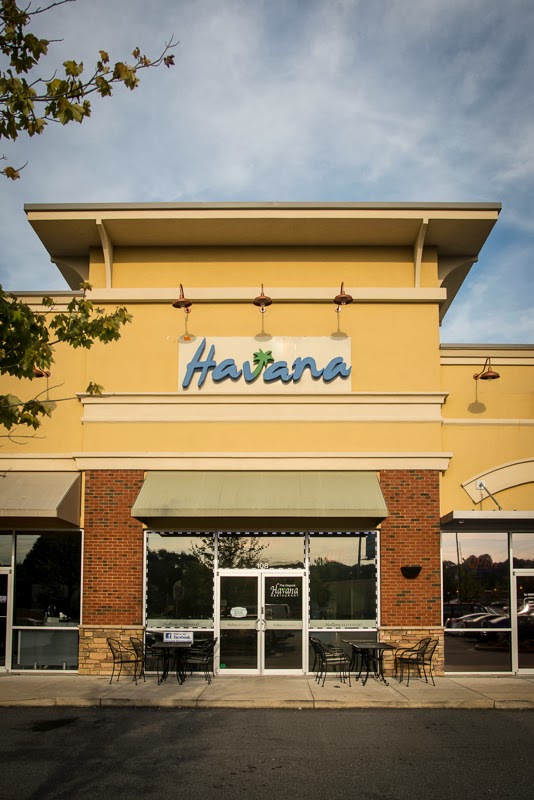 |
| Nikon D600 w/20-35mm f/2.8, ISO 100, 1/320 @ f/6.3 |
 |
| Dora Corena, Pentax K-5IIs, 16-50mm, ISO 1600, 1/125 @ f/2.8 |
 |
| Miriam, Rosa, & Miguel Amaya, Pentax K-5IIs, 16-50mm, ISO 1600, 1/40 @ f/2.8 |
 |
| Pentax K-5IIs, 16-50mm, ISO 1600, 1/60 @ f/2.8 |
Sunday, April 22, 2012
On Location
I recently took students from my Portrait Photography class to the sculpture studios at SCAD Atlanta. We did three shots in a little over two hours and had a great time. Susan Krause and Steve Jarvis were kind enough to let us take over their facility, as well as pose for us. We did three shots- one with four lights, one with two, and one with only one that also incorporated the available light. My Elinchroms worked perfectly and had plenty of juice to light such a large space. And the Skyports once again were flawless, both triggering and adjusting the strobes remotely.
If you'd like to see what it looked like, you can see a web gallery here.
If you'd like to see what it looked like, you can see a web gallery here.
Monday, January 16, 2012
Metz Shoe Mount Flash

The back-up strobe in my backpack was the Metz 58 AF-2 for Canon. I really like this flash. Metz makes them compatible with both systems that I use- Nikon and Canon. (They also make versions for Pentax, Sony, and Olympus) I'll admit, I'm not a power user of small flashes- I don't so complex system set-ups, or high speed sync, or commander/slave uses, but the Metz does do all that stuff. I use these things as an off camera and manual lighting source most of the time. In the backpack system, this means using it as a light somewhere in the background (there's one on low power in the shot above) and knowing that if the batteries on my Elinchroms died, I could still light a portrait. I've also used them as a direct handheld flash. They've performed perfectly in all these situations. And the best part? They cost about $100 less than the comparable Canon 580 or Nikon SB strobes. Nice.
I added the Metz P76 battery to power the 58, too. This is similar to the Quantum batteries a lot of people use. It's high capacity and high voltage, so you don't have to rely on AA's. I actually hate using this kind of flash with AA's. The recycle time is too long and they wear out way too quickly. You plug the 58 into the P76 and you can shoot hundreds of pictures and have the flash recycle much much faster than it does with AA's. And by using the Metz battery, you don't have to worry about compatibility and warranty issues that sometimes arise with Quantums.
In a week or two, I'll be posting a full review of the Elinchrom Ranger Quadra that is the centerpiece of my "Studio in a Backpack".
Monday, December 19, 2011
Light Meters

Sometimes I wonder if I'm old school and a borderline dinosaur. But then I think about it and I realize that sound technique is critical to fine photography. It's not a substitute for a keen eye and interesting content, but when combined with those attributes, a photograph sings and encourages the viewer to spend time and linger.
I've been a diligent user of handheld light meters for a very long time. My first serious meter was a Gossen Luna Pro. It was the industry standard for decades- if you wanted the most accurate results, you owned a Luna Pro. As I started using flash, my meter use became even more important. When I light a scene, I can do it faster because I've taken meter readings all over and I know exactly what things will look like.
Now, many years later, I still use Gossen meters. In my Studio in a Backpack I carried the Gossen Digisky. It's a very full featured meter with a huge range of f/stops, shutter speeds, and ISO settings available. It's always on the money and consistently repeatable. And the nicest thing is that it has a wireless transmitter built in. The Elinchrom strobes I use (stay tuned- there will be an in depth article about them in next week or two.) have a wireless system built in, too. The Skyport system (also to be reviewed in coming weeks) is a small and powerful radio slave and having it inside my Digisky makes things simpler and more convenient. My Skyport can stay connected to the camera while I walk around reading the strobe exposures. Nice.
Now, if you don't need the extensive features contained in the Digisky, you might want to look at the Digipro F. I carried it as my back up and I've found it to be a perfect complement to the more expensive unit and available for a price that the budget conscious photographer will find attractive.
Tuesday, November 29, 2011
The Lastolite Tri Flip Kit Reflector

When you open my Kata backpack, the first thing you see is a large flat compartment with a 33" Lastolite TriGrip Reflector in it. This is a fairly indispensable item to own. It's relatively small, light, and can be used in a bunch of different ways. The primary way I use it is as a fill for my portraits. When I light, I almost never use a second light to fill shadows. The fact is I love shadows- they give faces shape and character. But I want to control just how dark they are. In some situations they need to be inky dark, in others barely there, and, most of the time, somewhere in between. Using a reflector to bounce a little light into those shadows gives me the control I need.
Generally, I use the TriGrip with the Trigrip bracket . Although this bracket includes an arm so you can attach a shoe mount strobe, I took this off. The arm made it a little bulky to carry in my backpack and I figured if I needed to use the Tri Grip as a diffuser, I had other options. I generally put one end of the bracket on a light stand and on the other I attached the reflector with a Super Clamp . The bracket has a double ball joint which makes it infinitely adjustable, so I can place the reflector in any position I need.
The TriGrip has some features I really like. Unlike other collapsible reflectors, it has a built in handle with a velcro strap. If I'm working with an assistant, this makes it really easy for them to hold wherever I need it. The kit also comes with two reversible covers with different surfaces. These include black, silver, gold, half silver, half gold, and others. They slip over the translucent white stock surface and essentially give you 8 tools in one. The black can be especially useful if you want to put an outdoor subject in the shade and then light them with a strobe. Or the silver can be used to bounce a little sparkle into your subjects face on a cloudy day or when you have to shoot under florescent lights in an office situation. And using the translucent white as a diffuser on a sunny day to soften that hard (and often hideous) light can allow you to make an attractive portrait in less than opportune conditions.
Saturday, November 19, 2011
Tripod, Light Stands, and Modifiers

On the outside of the pack, I carried my tripod, light stands, and light modifiers. I didn't try to take these on board with me when I was flying- they went in my checked bags then. But, whenever I went out shooting, they were with me.
I don't use a tripod all the time- in fact, I use one for fewer than half the photographs I make. I generally like to stay quick and agile and move around a lot to find the perfect vantage point for whatever I'm shooting. I always have one with me, however. I don't like to be caught unprepared for any situation I might run into. For my European trip, I brought the Gitzo #1541 Series One tripod with the #GH1781QR Series One quick release ball head. I've owned other tripods in the past, but when I made the switch to Gitzo, I was shocked and amazed at what a difference it made. The sections always open and close quickly and smoothly. The legs open flat to allow a low vantage point. The ball head operates exactly the way I prefer. And they last forever. I actually own the larger 3531 to use when I'm not traveling. It's beefier and can hold big cameras with long lenses in the wind and stay steady. But the 1541 was the perfect blend of light weight, small size, and adequate sturdiness to be the right tool for the job I needed when I was carrying it on my back.
The light stands I chose were two Manfrotto 5001B's. Like the tripod and some of the other items in the pack, these were chosen because of their size and weight. They're not as heavy duty as the stands I carry in my usual shooting kit, but they raise to over six feet, they hold what I need them to, they are very small when folded, and they weigh about two pounds each.
I most often use portable softboxes when shooting portraits. Depending on the size, they provide a stunning quality of light. But they can be a little bit of a pain to set up and with the quick rings necessary, they're bulky and little heavy. Umbrellas solve the problems of set up time, bulk, and weight, but they just don't provide the control because their design allows light to bounce all over the place. (By the way, I carry both softboxes and umbrellas in my standard kit.)
The Elincrom Varistar was the perfect compromise. It essentially is a shoot through umbrella that has a black skirt on the back that keeps light from bouncing back and all around. It allows for almost as much control as a softbox, but it sets up as quickly as an umbrella- and there's no quick ring to carry. It's a great design and I carried two in the 33 inch size in my Studio in a Backpack.
In the next post I'll talk about my reflector/scrim set and the hardware I use with it.
Monday, November 14, 2011
The Kata Beetle 282 Backpack

At the heart of my "Studio in a Backpack" is the Kata Beetle 282 backpack. There are a lot of things I like about this pack, but let me tell you about a few of them. It's a fully adjustable pack, just like sophisticated camping packs and it has both shoulder straps and a waist belt with dual adjustments. What seems like a minor detail, but one that I particularly like, is found on the long straps that adjust the waist support. They have little velcro tabs attached that allow you to secure the long ends of the straps when you've found the right length. This may seem like a little thing, but not having lengthy flopping straps is a really nice touch.
Another feature that makes this pack unusual is the fact that it opens from the side holding the supports. With most similar packs, you put the pack down with the straps on the ground and then zip it open from the reverse side. This means that you put the side you're soon going to put on your back in the dirt, mud, and crud, thus transferring that stuff onto yourself. With this Kata, you put the opposite side down and open the pack from the straps side, keeping the side that goes against your body clean. Smart design, if you ask me.
Once the pack is open, you see the Kata feature that seems very simple, but no other companies have followed- that is, the interior of the pack is bright yellow instead of the usual black. This means that it's much easier to find your black cameras and lenses when the lights are dim. Again, it seems like a little thing, but if you've ever fumbled around looking for a certain lens or body and you can't find it because black on black renders it invisible, you know what I mean. It's a very nice detail.
The rest of the 282 is what you'd expect from a quality camera bag. It has a fully customizable interior, allowing you to set it up with multiple configurations. There's plenty of cushioning to protect your gear, in case you have to check it with the airlines. There's a laptop compartment that accommodates a 17 inch computer. You can even get an optional wheel system ( Kata calls it the Insert Trolly) so you don't have to carry the pack if you don't want to.
This pack sells for around $ 290.00 in the US and I think it's worth every penny. If you'd like to learn more you can check it out on the Kata site .
My next post will discuss the items carried on the outside of the pack.
Friday, November 11, 2011
Studio in a Backpack

In early 2010 I was lucky enough to live, travel, and photograph in small towns and villages throughout Europe for three months. You can read about it here . I had a specific look I was trying to accomplish in the photographs I produced and I put together very specific gear in order to do that. You can see some of the pictures I did there on my web site .
Over the last year or so I’ve been doing workshops covering my “Studio in a Backpack” and I’ve been asked if I could publish a list of the items in that notorious pack. So here it is. Keep in mind that I had another case with various chargers, cords, and back-ups that I left in my room when I was shooting, but this is exactly the outfit I carried when I went out to photograph. Over the next weeks I’ll be posting follow-ups every few days with more detailed descriptions, estimated prices, and the reasons I chose those particular tools. For now, here goes.
Over the last year or so I’ve been doing workshops covering my “Studio in a Backpack” and I’ve been asked if I could publish a list of the items in that notorious pack. So here it is. Keep in mind that I had another case with various chargers, cords, and back-ups that I left in my room when I was shooting, but this is exactly the outfit I carried when I went out to photograph. Over the next weeks I’ll be posting follow-ups every few days with more detailed descriptions, estimated prices, and the reasons I chose those particular tools. For now, here goes.
Kata Beetle 282 Backpack
2- Manfrotto 5001B lightstand
2- Elinchrom Varistar umbrella-softbox 33”
Gitzo #1541 Series One tripod with #GH1781QR Series One quick release ball head
Lastolite TriFlip 30” 8 in 1 Grip Reflector Kit
Lastolite Trigrip Bracket
Manfrotto 026 Swivel Umbrella Adapter
2- Manfrotto 035RL Super Clamp with Standard Stud
2 each- Manfrotto #118 and 119 studs
2- Manfrotto 039 U-Hook
Metz Mecablitz 58 AF-2 shoe mount flash
Metz P76 Power Pack
Metz Mecalux 11 Hot Shoe Slave
FlashZebra.com Item #0126 Female Hotshoe to Elinchrom Skyport adapter
Elinchrom Skyport Universal Starter Kit
Elinchrom Ranger Quadra Head A Pro Set
Gossen Digisky and/or Digipro F light meter
small roll black gaffer's tape
various CF cards, straps, cords, etc.
Thursday, April 14, 2011
A Review of Day & Night
Today I was sent a review of Day & Night posted online. The writer, Cecelia Smith from Houston, came across my Kickstarter page and pledged right away. A day or so later she wrote this reaction. I'm moved by her kind words. Her review follows:

For almost the entire time I have been in the lifestyle, people have said how much they wish that there was a positive representation of "us" in the main stream media ...
I was following a friend's blog and discovered that there is actually a legitimate VANILLA endeavor, to produce a very well done photo-journalist perspective of people ... showing that "we" are very normal, every day, neighbors, contacts, doctors, nurses, teaches, etc... and that our expression of our sexuality is not "who we are" ... just ... a part of us.
I have pledged to support this effort, and hope that they reach their ultimate goal. I believe this project is a very POSITIVE one for our "identity" because it is not trying to "explain" who we are. It is not trying to make people "comfortable" with what we do. It is simply a statement, an observation, of the fact that WE are part of society. It is not a case of Us and Them. Because we are Them.
Have a look ... if you can .. support the effort.
Click here:
p.s. Please consider posting this elsewhere to get people to at least look at it, and hopefully also support the effort.
Project: Day and Night
I was following a friend's blog and discovered that there is actually a legitimate VANILLA endeavor, to produce a very well done photo-journalist perspective of people ... showing that "we" are very normal, every day, neighbors, contacts, doctors, nurses, teaches, etc... and that our expression of our sexuality is not "who we are" ... just ... a part of us.
I have pledged to support this effort, and hope that they reach their ultimate goal. I believe this project is a very POSITIVE one for our "identity" because it is not trying to "explain" who we are. It is not trying to make people "comfortable" with what we do. It is simply a statement, an observation, of the fact that WE are part of society. It is not a case of Us and Them. Because we are Them.
Have a look ... if you can .. support the effort.
Click here:
Day and Night
Ceceliap.s. Please consider posting this elsewhere to get people to at least look at it, and hopefully also support the effort.
Friday, June 4, 2010
Mikes (Pronounced Mick-esh)
Cesky Krumlov is the second most visited site in the Czech Republic, after Prague. It's a Renaissance town with an imposing castle surrounded by winding, narrow, cobblestone streets. After falling into ruin during the years of Communist rule, they've been restoring it since about 1990 and their efforts are impressive. The Baroque and Renaissance buildings are beautiful and often extravagently painted on the exterior. The streets are lined with shops, restaurants, and pubs. And the Czechs certainly know how to make beer.
Mikes Milan owns a flower shop near where we're staying. I was stricken by this large, sturdy man surrounded by the delicate offerings of his business. The fact that he spoke no English and I spoke no Czech was a bit of a problem, but after he called a friend on his cell phone to translate and explain what I wanted, he was happy to let me photograph.

Mikes Milan owns a flower shop near where we're staying. I was stricken by this large, sturdy man surrounded by the delicate offerings of his business. The fact that he spoke no English and I spoke no Czech was a bit of a problem, but after he called a friend on his cell phone to translate and explain what I wanted, he was happy to let me photograph.

Thursday, June 3, 2010
Jan
Jan is about to graduate from high school in Cesky Krumlov, The Czech Republic. He's traveled a fair bit for someone from such a small town. His trips have included the south of France and Toronto. He plans to study biology at a nearby university in the fall.


Subscribe to:
Comments (Atom)


